
Market Overview July 9: Index Recovery Amid De-escalation, Kospi Soars 2.9% and Japanese Bond Yields at 1996 Highs
Global markets are gradually recovering after a recent spike in geopolitical tension in the Middle East. Investors are returning to risk assets amid signs of possible de-escalation of the conflict between the US
Global markets are gradually recovering after a recent spike in geopolitical tension in the Middle East. Investors are returning to risk assets amid signs of possible de-escalation of the conflict between the US and Iran, but remain cautious due to inflation risks and uncertainty surrounding the future policies of major central banks.
The Technology Sector Leads the Bounce in the US, Europe is Cautious
USA: American indices are showing steady growth after the corrections of previous days. The Nasdaq 100 futures are up 1.3%, the S&P 500 is rising 0.6%, and the Dow Jones is strengthening by 0.3%. The main driver remains the IT sector: sustained demand for artificial intelligence solutions continues to push the stocks of tech giants higher.
Europe: The STOXX Europe 600 index shows only moderate recovery. Trading risks and weak industrial activity in the eurozone continue to dampen optimism. Additional local pressure on the European market has come from the decline in shares of pharmaceutical giant AstraZeneca amid disappointing results from clinical trials of a new drug.
Asia Recovers Losses: Strong Surge in South Korea
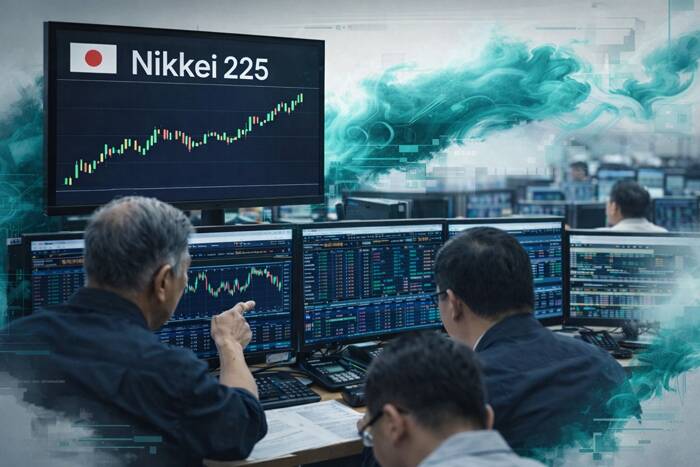
Asian markets finished the trading session in the green, almost completely offsetting the panic of previous days. The semiconductor segment and the artificial intelligence industry are back in focus for major buyers. The South Korean Kospi soared nearly 3% after a deep drop the day before.

Japanese Bonds at Highest Since 1996 and Stable Dollar
Debt Market: Government bond yields are holding at multi-year highs, reflecting fears of persistent inflation. The yield on 10-year US Treasuries has settled in the range of 4.57–4.58%. Meanwhile, the yield on 10-year Japanese bonds has reached around 2.9% — the highest level in the last 30 years. The market is pricing in a prolonged period of tight monetary conditions.
Currency Market: Trading dynamics are relatively stable. The dollar index (DXY) fluctuates between 100.6 and 100.9 points, EUR/USD is trading around 1.143, and the USD/JPY pair is settled at 162.6. The US currency is supported by hawkish expectations from the Fed's long-term policy.
Stabilization of Oil and Long-term IMF Forecasts
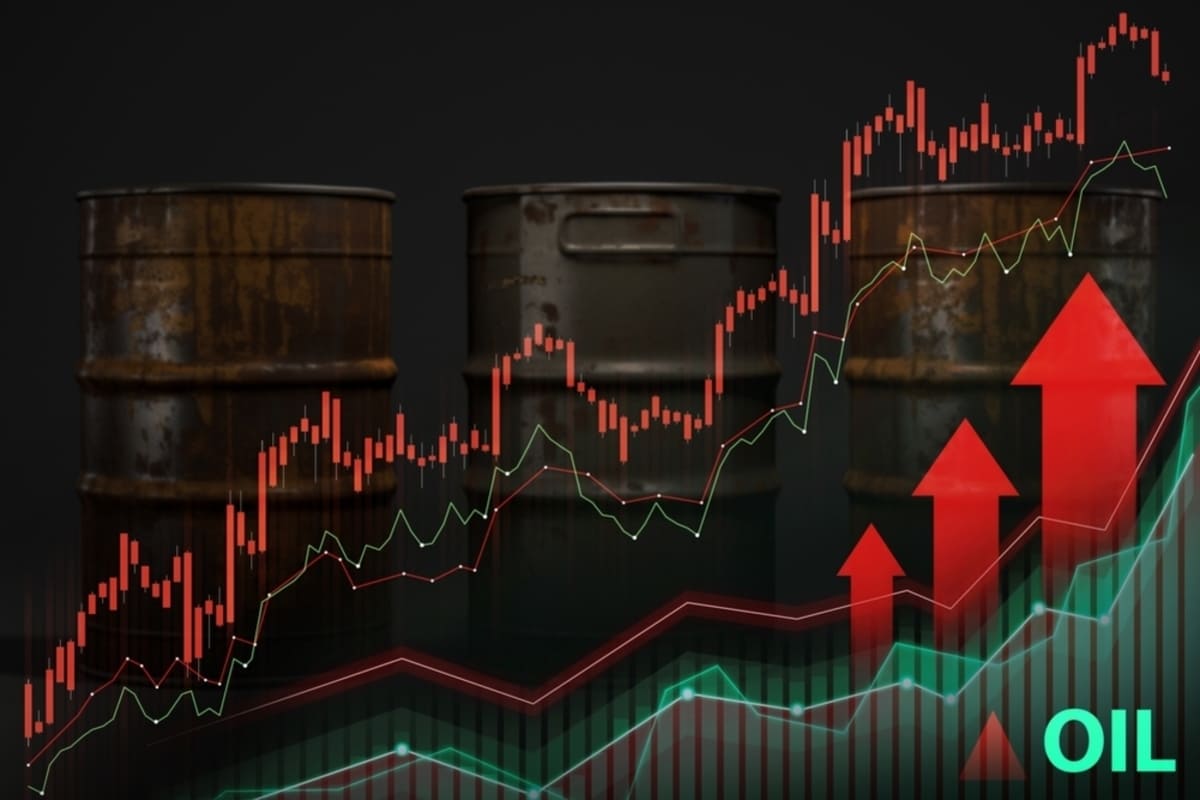
Commodities: Oil prices have stabilized after a sharp surge: Brent is trading at $77.5–77.8 per barrel, WTI around $73.3. The reduction in risk premium has been aided by news of renewed contacts between Washington and Tehran. Gold is correcting amid rising bond yields, dropping to the range of $4,030 – $4,067 per ounce.
Macroeconomics: The IMF maintains a cautious outlook on the global perspective. Fund experts predict global economic growth of 3.0% in 2026 and 3.4% in 2027. Global inflation for the current year is expected to be at 4.7%, and oil prices may rise by about 32%, largely due to logistical risks around the Strait of Hormuz.
Key Macroeconomic Metrics from the IMF:
| Global Economic Growth (2026) | 3.0% |
| Global Economic Growth (2027) | 3.4% |
| Global Inflation (2026) | 4.7% |
| Expected Medium-term Oil Price Growth | ~32.0% |
Key Risks for Investors:
| — | Return to escalation of the conflict between the US and Iran if negotiations fail. |
| — | Acceleration of global inflation amid expensive resources. |
| — | Prolonged maintenance of peak rates by the Fed and ECB. |
| — | Slowdown of China's GDP and prolonged crisis in the housing sector. |
| — | Renewed high volatility in commodity markets. |
Conclusion: Markets on July 9 show cautious optimism after the geopolitical shock of previous days. The main support continues to come from the technology sector and expectations of stabilization in the Middle East. However, inflation risks, high bond yields, and systemic uncertainty in the global economy continue to limit the potential for further aggressive growth in financial markets.