
Market Overview July 20: Brent Oil Surged Above $90 Amid Escalation in the Strait of Hormuz, South Korean Kospi Fell 4%, and US30Y Yield Exceeded 5%
Global financial markets are starting the week under high geopolitical tension. The main factor remains the escalation of the conflict between the US and Iran, which has heightened concerns about oil supplies through the Strait of Hormuz.
Global financial markets are starting the week under high geopolitical tension. The main factor remains the escalation of the conflict between the US and Iran, which has heightened concerns about oil supplies through the Strait of Hormuz and renewed inflation risks. Despite the pressure, investors continue to closely monitor the start of the corporate earnings season and expectations for further actions from global central banks.
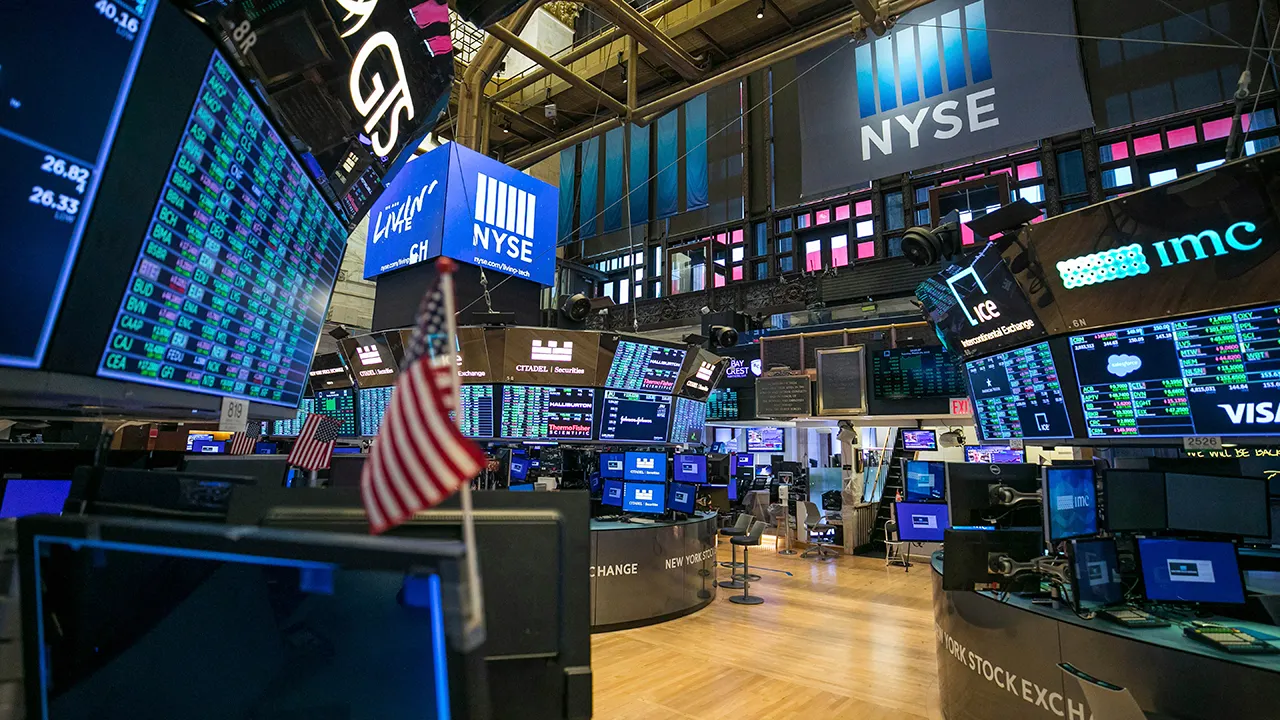
The US Technology Sector Remains Under Pressure, Europe Awaits ECB
US: American stock indices remain under pressure following a prolonged sell-off in the technology sector. Nvidia shares lost about 2.2%, and the Philadelphia Semiconductor Index (SOX) has already corrected approximately 20% from its June highs. Additional market nervousness is supported by the anticipation of key quarterly reports from Alphabet, Tesla, and Intel.
Europe: Regional markets are trading without a clear direction. The main focus of investors has shifted to the upcoming ECB meeting on July 23. The baseline scenario suggests maintaining the rate at 2.25%, however, the regulator's comments on the impact of energy prices on inflation could provoke strong movements.
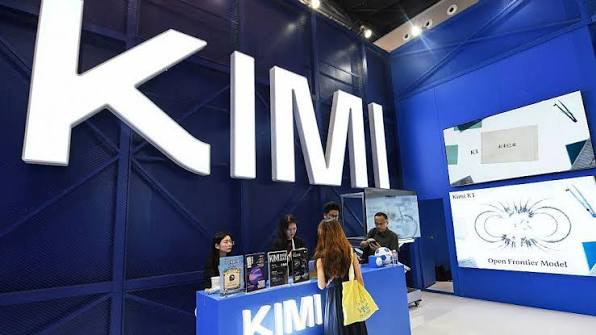
Kospi Plummets 4% and Technology Challenge from Moonshot AI
Trading in Asia is mixed. The South Korean Kospi has plummeted more than 4% due to a wave of selling in the semiconductor sector. Chinese indices, on the contrary, showed moderate growth amid government support measures. Japanese exchanges are closed due to a national holiday. A local driver for the AI industry was the loud release from the Chinese startup Moonshot AI, which introduced the flagship open model Kimi K3 with 2.8 trillion parameters, sharply intensifying competition in the market.

Surge in Oil Prices: Brent Rises Above $90
Energy: The oil market is reacting extremely sharply to the Middle Eastern crisis. Fears of blockage or disruptions in commercial hydrocarbon supplies through the strategic Strait of Hormuz have provoked a strong speculative surge in prices.
Metals: Gold is showing a slight decline, trading around $3,997 per troy ounce. The main restraining factor for the precious metal is the ongoing rise in alternative yields in the US debt market.
Yen at Multi-Year Lows, and US30Y Yield Breaks 5%
Currency Market: The US dollar maintains a strong position in the global market. The EUR/USD pair is fixed around 1.1442. Traders are particularly focused on the Japanese yen, which is stuck near critical multi-year lows at 162.3 per dollar, making direct currency interventions by the Bank of Japan inevitable to stabilize the exchange rate.
Long-term Signal: The yield on 30-year US Treasury bonds (US30Y) has once again exceeded the psychological barrier of 5%, reflecting market confidence in the maintenance of tight monetary conditions by the Fed.
Price Stability of Bitcoin at $65,000
The cryptocurrency segment is starting the week in consolidation mode. The flagship crypto asset Bitcoin is confidently holding near the $65,000 mark, compensating for external macroeconomic negativity. Meanwhile, the second-largest digital currency Ethereum is locally outperforming the market, demonstrating a more pronounced upward trend and strong buyer inflow.
Key Macroeconomic Events of the Week (Astana Time, GMT+5):
| Date | Event / Statistical Publication |
|---|---|
| July 20 | China — Announcement of the People's Bank of China's decision on the LPR base interest rate |
| July 22–24 | US — Corporate reports from technology leaders: Alphabet, Tesla, Intel |
| July 23 | Eurozone — ECB meeting and press conference on the further direction of monetary policy |
| July 24 | Global business activity indices (PMI) for the US and EU; inflation statistics in Canada |
Key Risk Factors:
| — | Military escalation between Washington and Tehran in the Persian Gulf waters. |
| — | Continuation of large-scale profit-taking and correction in the global technology sector. |
| — | Markets pricing in more aggressive steps from global central banks due to rising oil prices. |
| — | Increased volatility amid the publication of quarterly reports from American big techs. |
Conclusion: The main theme at the start of the week is the tough confrontation between the positive effects of slowing inflation in the US and the growing geopolitical risks in the Middle East. While corporate earnings reports keep American markets afloat, the commodity market remains the main indicator of tension, forcing investors to exercise utmost caution.