
Market Overview July 15: US Inflation Drops to 3.5%, Supporting Nasdaq, South Korean Kospi Soars 6%, While IBM Plummets by a Quarter
Global markets are showing a moderately positive trend following the release of softer-than-expected inflation data in the US and strong quarterly reports from the largest American banks. However, geopolitical tensions
Global markets are showing a moderately positive trend following the release of softer-than-expected inflation data in the US and strong quarterly reports from the largest American banks. However, geopolitical tensions in the Middle East and signs of a slowing Chinese economy continue to limit investors' appetite for risk.
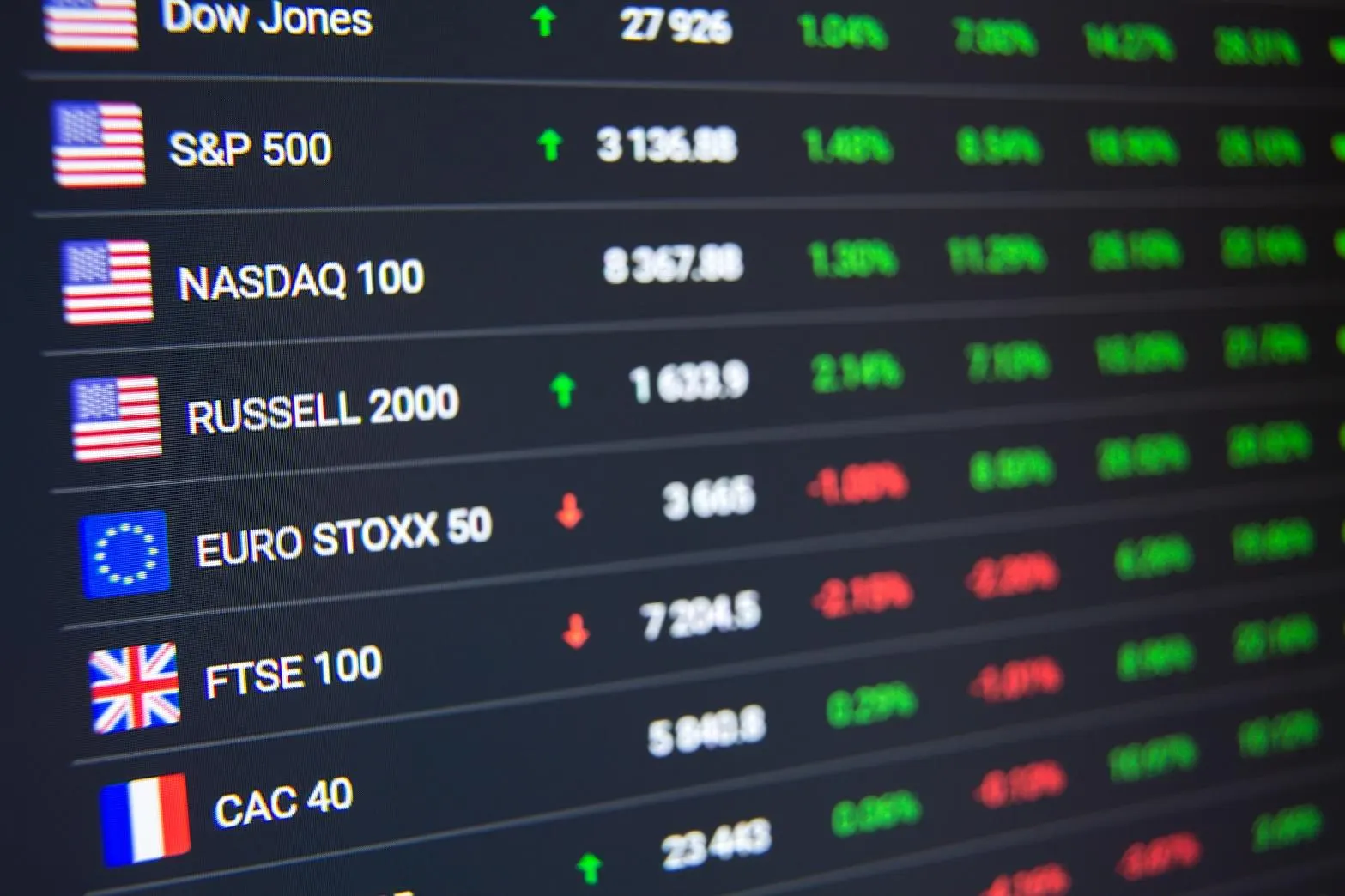
Slowing Inflation Supports US Indices, Europe Trades in Positive Territory
USA: The American market received support due to the slowing inflation rate and a successful start to the corporate earnings season. Companies directly related to artificial intelligence and semiconductors continue to lead the growth. Additional support for the tech sector comes from Nvidia shares and infrastructure producers for AI data centers.
Europe: European markets are trading predominantly in the green zone. The Euro Stoxx 50 index rose by 0.15% to reach 6 280.19 points. Strong corporate earnings reports from tech companies in the region provide local support to the market, although investors continue to express concerns about weak industrial activity in the eurozone.
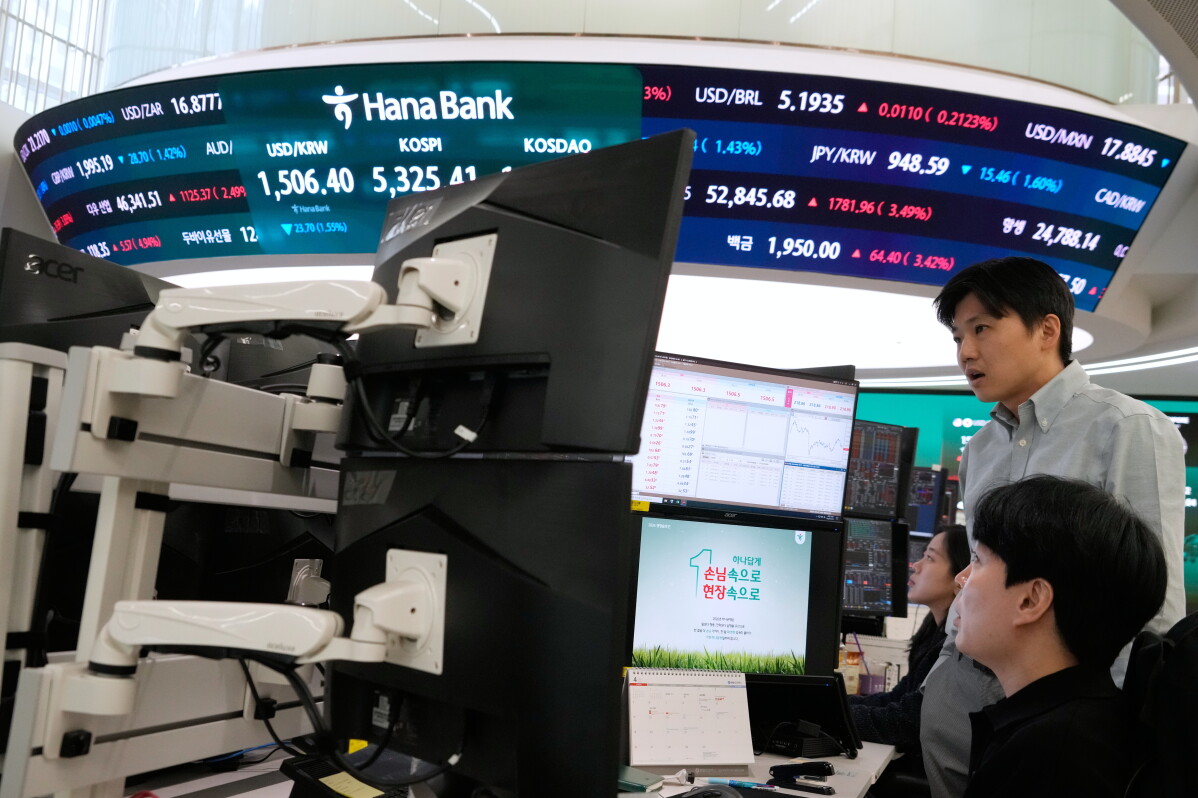
Mixed Asia: South Korean Kospi Soars Over 6%
Asian markets showed mixed dynamics at the end of the session. The Chinese CSI 300 index recorded a modest increase of 0.3%, while the Japanese Nikkei 225 showed a moderate rise. The main focus of traders was on the South Korean market: at the session's opening, the Kospi index soared by more than 6%, driven by massive purchases of tech sector stocks.
Macroeconomics: Slowing Inflation in the US and Weak GDP in China
USA: The main event of the day was the release of inflation statistics. The Consumer Price Index (CPI) for June was 3.5% year-on-year, while previous market expectations were at 3.8%. The slowing inflation has significantly eased investors' concerns about an immediate interest rate hike by the Fed at upcoming meetings. Fed Chair Kevin Warsh confirmed that the systematic fight against inflationary pressure continues, but also emphasized the current resilience of the American economy.
China: Fresh data has heightened concerns about systemic slowing in the world's second-largest economy. China's GDP for Q2 grew by only 4.3%, marking the weakest growth rate since 2022. Key factors of pressure remain the ongoing crisis in the housing market and a general decline in domestic investments in the country.
Corporate Segment: Triumph of US Banks and IBM's 25% Plunge
Financial Sector: The quarterly earnings season in the US started significantly better than preliminary forecasts. The largest banks in the country: JPMorgan Chase, Goldman Sachs, and Bank of America reported strong financial results. Their combined net profit exceeded analysts' expectations due to high trading activity in the markets and growth in the investment banking sector.
Technology Sector: There is a strong divergence here. Nvidia shares continue their upward trend amid high demand for infrastructure for AI data centers, while European ASML raised its sales forecast for chip manufacturing equipment.
On the other hand, IBM shares plummeted by 25%, showing the worst daily performance since the late 1980s due to a weak sales forecast in the company's software business.
Multi-Month Peaks for Brent Oil and Bitcoin Consolidation
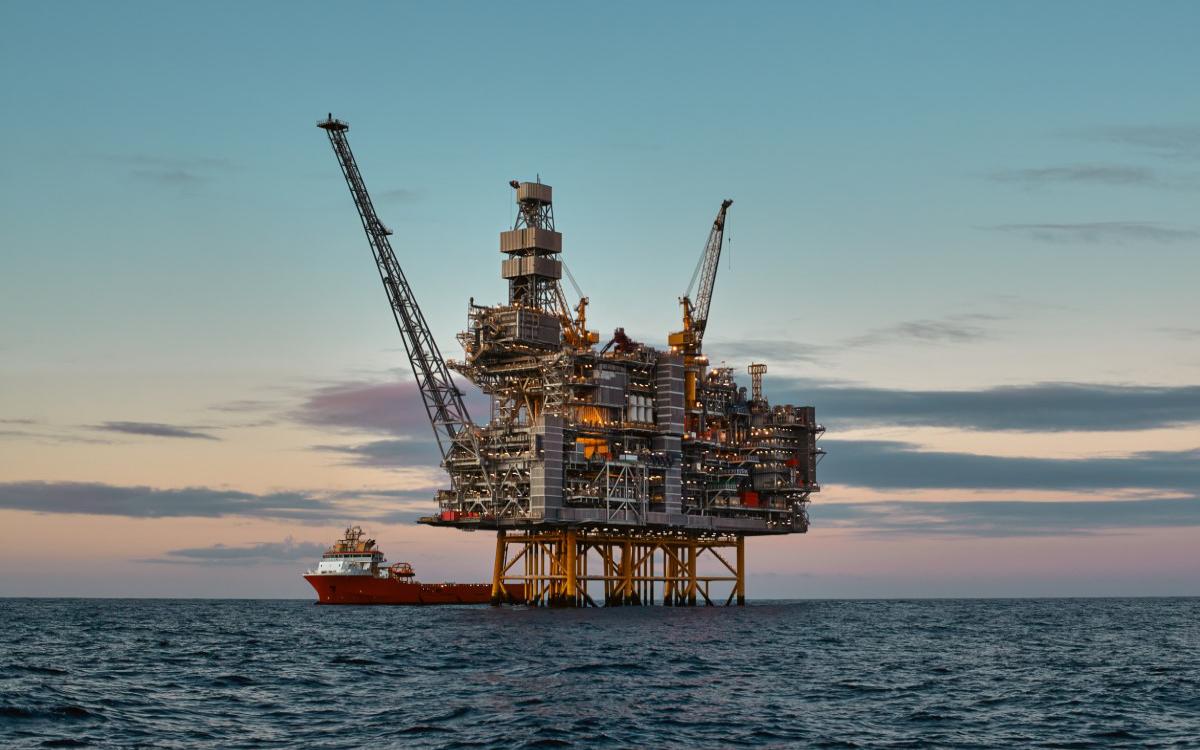
Oil: The geopolitical factor continues to keep energy prices at high multi-month levels. Brent is trading in the range of $85–86 per barrel, while WTI is holding around $80 per barrel. The rise in prices is supported by military confrontation between the US and Iran, as well as the ongoing threat of traffic blockage through the Strait of Hormuz.
Gold: The safe-haven metal has corrected to $4,030 per ounce. A period of moderate decline followed the stabilization of the US bond market after a strong spike in yields in previous days.
Cryptocurrencies and Currency: Bitcoin remains stable around the $62,500 mark, despite the overall geopolitical backdrop. Investors are monitoring the dynamics of inflows into spot ETFs. The US dollar shows resilience amid high interest rates in the US, keeping the EUR/USD pair under pressure due to the divergence in monetary policy between the Fed and the ECB.
Key Events of the Day (Astana Time, GMT+5):
| Region | Event / Publication |
|---|---|
| USA | Release of corporate reports from Morgan Stanley, BlackRock, and Johnson & Johnson |
| Europe | New speeches from ECB officials; publication of inflation data in individual eurozone countries |
| Asia | Assessment of financial markets' reaction to weak GDP data from China |
Main Risks:
| — | Escalation of military confrontation between the US and Iran. |
| — | Threats to stable oil supplies through the Strait of Hormuz. |
| — | Slowing economic growth in China amid the real estate crisis. |
| — | Continued tight monetary parameters from the Fed. |
| — | Increased volatility in the tech sector following a strong rally in the AI segment. |
Conclusion: On July 15, global markets received significant support from the slowing inflation in the US and strong reports from the banking sector. However, investors continue to closely monitor the Middle East and the macroeconomic health of China. Key influencing factors remain the artificial intelligence sector, the earnings season, and future Fed decisions, while geopolitical risks keep oil prices high and fuel overall volatility.