
Global Markets July 2: Nasdaq Correction Amid Micron and Intel Collapse, Panic on the Seoul Exchange, and Anticipation of Non-Farm Payrolls in the USA
Global markets on July 2, 2026, entered the second half of the year under conditions of increased volatility. After strong growth in the first half of the year, investors began to take profits, especially in the technology sector. Supplement
Global markets on July 2, 2026, entered the second half of the year under conditions of increased volatility. After strong growth in the first half of the year, investors began to take profits, especially in the technology sector. Additional pressure on the markets is exerted by the tough rhetoric of the U.S. Federal Reserve and the anticipation of the key report on the U.S. labor market. The main event of the day will be the publication of Non-Farm Payrolls data, which could significantly impact the dollar, stock indices, gold, and expectations for further Fed policy.
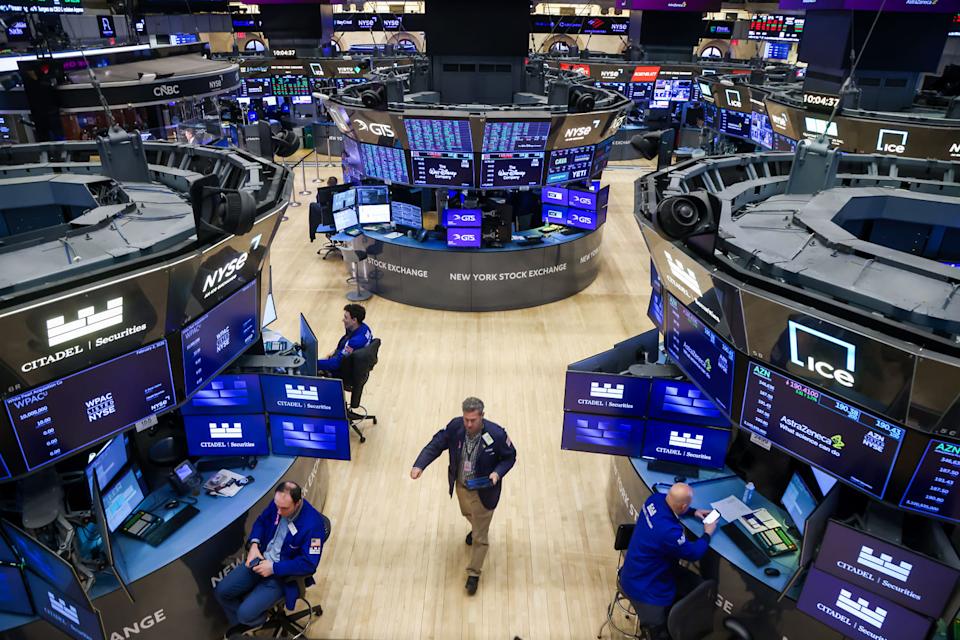
U.S. Stock Market: Semiconductor Correction and Meta Surge
American indices have entered a moderate correction after reaching historical highs. The most pressure is observed in the semiconductor sector, where Micron shares fell by -10.6%, and Intel by -9.0%. Meanwhile, some tech companies continue to show strong dynamics. Meta's shares rose by more than 10% after announcing plans to develop cloud artificial intelligence.

Europe and Asia: Trading Halt in Seoul
Europe: European markets remain cautious. Investors continue to assess the state of the Eurozone's industry, interest rate prospects, and the consequences of trade disputes between the U.S. and Europe. ECB President Christine Lagarde confirmed a cautious approach to further monetary policy decisions.
Asia: Markets showed mixed dynamics. The most notable event was the sharp decline of the South Korean KOSPI index by more than -5%, which led to a temporary trading halt on the exchange. The main reason was massive sell-offs of Samsung Electronics and SK Hynix shares amid worsening sentiment around the artificial intelligence sector. At the same time, the Chinese market received support from strong reports from automakers: BYD gained +9%, and Xiaomi rose by +5%.

Macroeconomics and Central Banks
Federal Reserve: Fed Chair Kevin Warsh at a forum in Sintra confirmed the regulator's tough stance. According to him, inflation remains too high for discussions about an imminent rate cut. The market continues to assess the likelihood of maintaining high rates until the end of the year.
U.S. Labor Market: The preliminary ADP report for June was weaker than expected, showing 98,000 new jobs against a forecast of 110,000, which may indicate a gradual cooling of the U.S. economy.
U.S. Trade Policy: The Trump administration announced its intention to abandon the automatic renewal of the USMCA trade agreement with Canada and Mexico, moving to an annual review of cooperation terms.
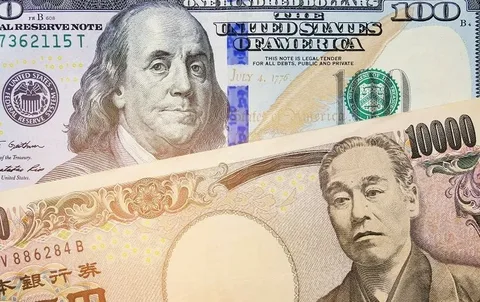
Currency Market: Stable Dollar and Pressure on Yen
U.S. Dollar: The dollar index remains stable due to expectations of maintaining high rates in the U.S. The yield on 10-year U.S. Treasury bonds stabilized around 4.47%.
Yen and Euro: The USD/JPY pair continues to trade near multi-year highs around 162.5–162.8 yen per dollar. Japanese authorities have intensified warnings about possible currency interventions. Meanwhile, the euro remains under pressure from weak economic indicators and the cautious stance of the ECB.

Commodity Assets and Digital Markets
Oil and Gas: Oil prices continue to decline. Brent crude fell to $70.78 per barrel, while WTI is trading at $67.81 per barrel. Pressure on the market is coming from the resumption of negotiations between the U.S. and Iran regarding maritime security in the Strait of Hormuz. In the gas market, investors are awaiting the publication of weekly inventory statistics in the U.S., which may impact LNG prices.
Gold: After the worst quarter in the last 13 years, gold is showing moderate recovery. Spot gold has stabilized in the range of $4,059–4,082 per ounce. The precious metal is supported by the decline in U.S. bond yields.
Cryptocurrencies: Following the implementation of full MiCA regulation in the European Union, the cryptocurrency sector remains under pressure. Investors continue to adapt to new regulatory requirements, while trading volumes remain elevated.
Key Events of the Day (Kazakhstan Time, GMT+5):
| 14:30 | Consumer Price Index (CPI) for Switzerland for June. |
| 20:30 | Non-Farm Payrolls (USA). Unemployment rate in the USA. Initial claims for unemployment benefits. |
| 21:30 | Manufacturing PMI for Canada. |
| 22:00 | Factory Orders in the USA for May. |
| 22:30 | EIA Natural Gas Stocks (USA). |
Main Risks for the Markets:
| — | Publication of Non-Farm Payrolls and the Fed's reaction to employment data. |
| — | High volatility in the technology sector. |
| — | Slowdown of the Chinese economy. |
| — | Trade disputes between the U.S., Canada, and Mexico. |
| — | Ongoing decline in oil prices. |
Summary: On July 2, investors remain cautious ahead of the publication of key data on the U.S. labor market. After a strong first half of the year, markets are facing increased volatility and profit-taking in the technology sector. The main driver of the day will be the Non-Farm Payrolls report. Its results could significantly change expectations for further Fed policy and determine the direction of global markets in the coming weeks.