
Global Markets July 17: The National Bank of Kazakhstan published forecasts for the dollar to reach 567 tenge by 2028, while Nasdaq falls and the yen hits multi-year lows
Global markets ended the week under increased volatility. The main drivers of the day were a large-scale correction in the artificial intelligence sector, the escalation of the conflict between the USA and Iran, and a revision of expectations.
Global markets ended the week under increased volatility. The main drivers of the day were a large-scale correction in the artificial intelligence sector, the escalation of the conflict between the USA and Iran, and a revision of expectations regarding the further policies of global central banks amid the Fed's tough stance.
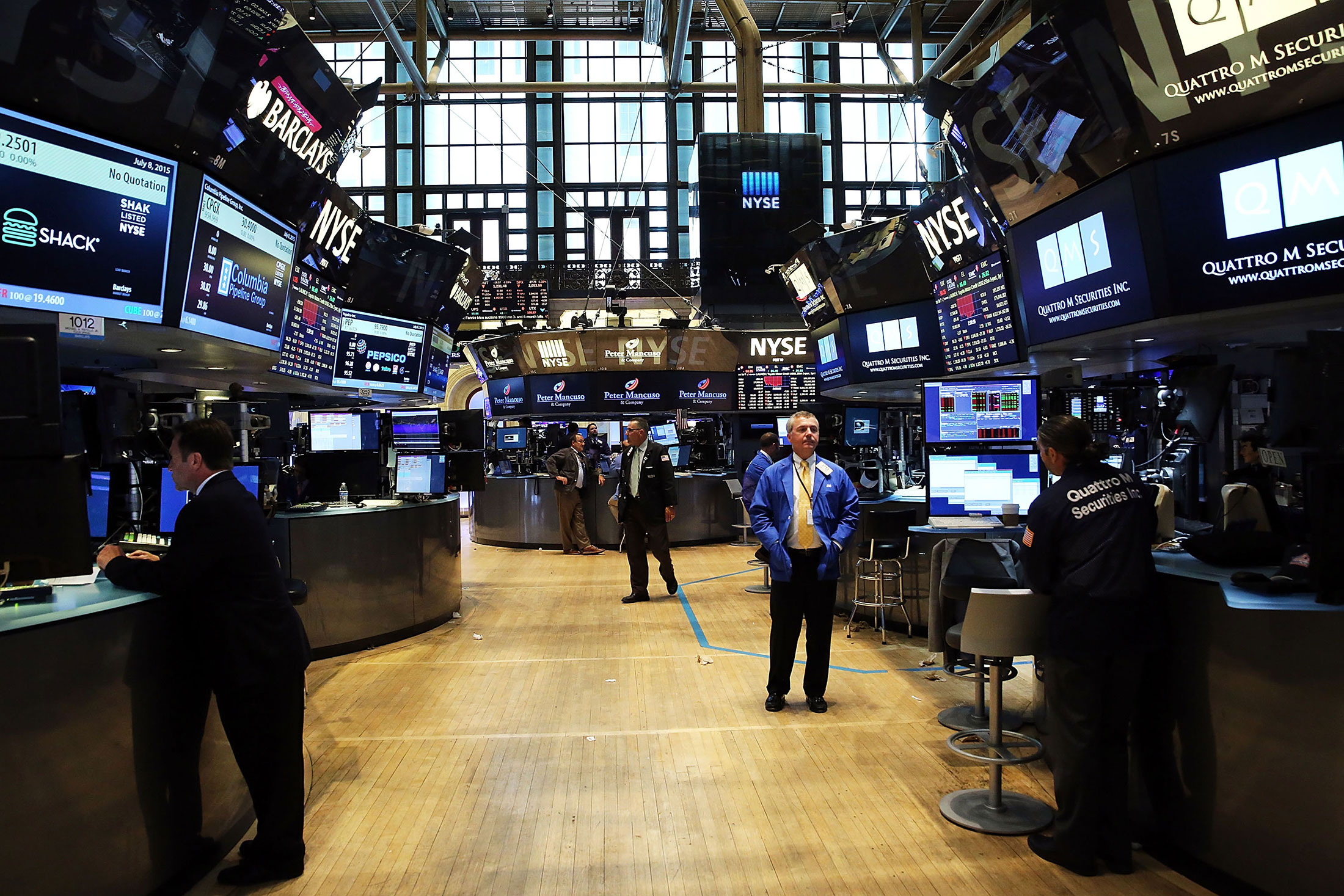
Large-scale profit-taking in the AI sector weighs on US and European markets
USA: American futures closed the week in the red zone. Investors are actively taking profits in the technology sector after months of AI rally. Even strong quarterly reports from the largest American banks could not outweigh the pressure faced by semiconductor manufacturers and AI giants.
Europe: European markets took on the negative momentum from the USA. Futures on Euro Stoxx 50 fell by about 1%. European chip manufacturers and high-tech holdings were at the epicenter of the sell-off.
Crash in Asia: Nikkei 225 plummeted by 4.5% and entered correction territory
Asian markets took the brunt of the global technology correction. The Japanese index Nikkei 225 recorded a drop of 4.5%, officially entering a phase of technical correction from recent peaks. An even deeper decline was demonstrated by the Taiwanese market, which lost over 6% by the end of the session. Major sales here were also concentrated in semiconductor stocks.
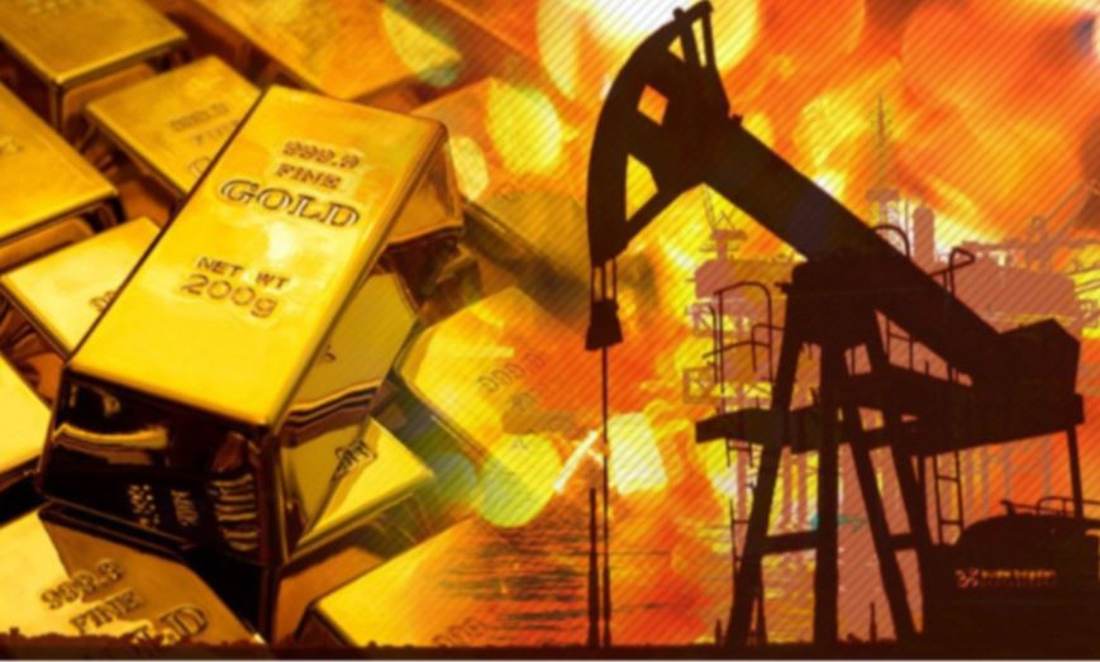
Brent oil gained over 10% this week, gold fell below $4000
Oil: The main beneficiary of the ongoing geopolitical tension in the Middle East remains the oil market. The price of North Sea Brent is confidently holding in the range of $84–85 per barrel, finishing the week with a rise of more than 10%. Investors continue to factor in the risks of shipping disruptions through the Strait of Hormuz.
Precious metals: A correction has emerged in the gold market: quotes have decreased to $3,990 per troy ounce. Rising inflation expectations and the anticipation of prolonged high rates are restraining speculative demand for physical metal.
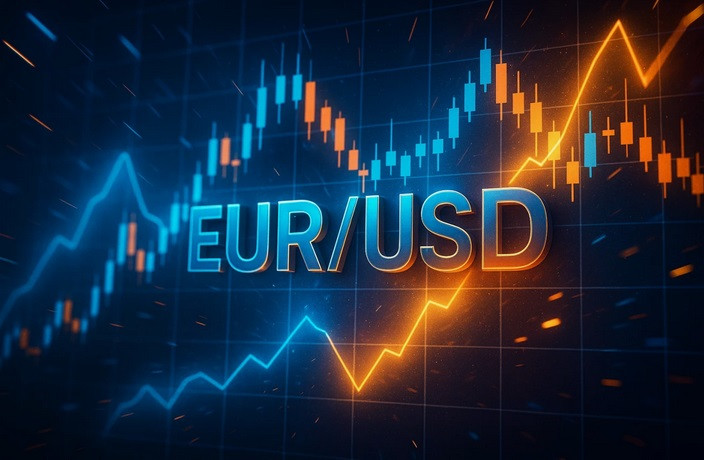
Strong dollar weighs on EUR/USD and cryptocurrencies
Currency market: The dollar maintains its status as a key safe-haven asset. The EUR/USD pair has corrected to the level of 1.1440. The dollar index shows resilience as the market prices in a prolonged high interest rate environment from the Fed under Kevin Warsh. The Japanese yen remains under local pressure near multi-year lows.
Cryptocurrencies: Amid declining risk appetite, digital assets are trading under pressure. The price of Bitcoin has settled around $62,700, while Ethereum has dropped to $1,780. Long-term support for the market comes from the ongoing moderate inflow of capital into spot BTC ETFs.
National Bank of Kazakhstan forecasts: expectations for the dollar exchange rate to tenge for 2026–2028
The National Bank of Kazakhstan presented fresh consensus forecasts from professional participants in the financial market regarding the medium-term dynamics of the national currency. Analysts' expectations indicate a gradual weakening of the tenge over the three-year horizon.
Key risk factors:
| — | Direct military confrontation between the USA and Iran in the Middle East. |
| — | Depth of the correction movement in the global artificial intelligence sector. |
| — | Sustained high rates from the Fed and ECB amid persistent inflationary pressure. |
| — | Slowdown in global economic growth and the introduction of mutual trade tariffs. |
Conclusion: The main theme at the end of the week is the large-scale exit of investors from overheated technology assets alongside rising geopolitical tensions in the Middle East. Oil remains at local peaks, the dollar maintains resilience, and capital is gradually migrating to conservative safe-haven instruments in anticipation of further macroeconomic signals.