
Global Markets July 16: Slowing Inflation in the US Weakens Dollar to 100.48, Gold Corrects, and PayPal Valued at $53 Billion
Global markets are influenced by two factors: slowing inflation in the US and a new wave of tension in the Middle East. While strong corporate earnings support American stocks, the conflict in the region
Global markets are influenced by two factors: slowing inflation in the US and a new wave of tension in the Middle East. While strong corporate earnings support American stocks, the conflict in the Strait of Hormuz continues to push oil prices up and increase investor nervousness.
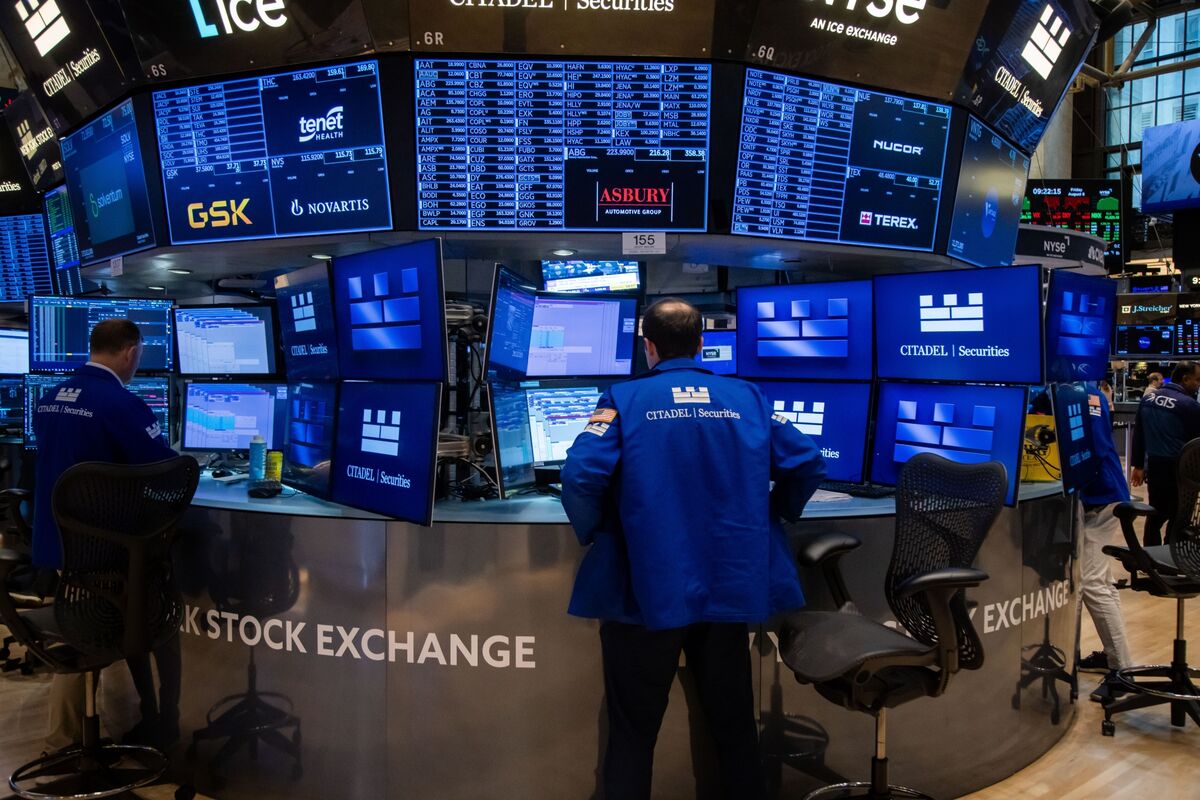
US Futures Rise on Bank Reports, Europe Stalls
US: The US stock market shows resilience thanks to strong quarterly results from major financial institutions. Key support for the indices comes from strong reports by JPMorgan, Morgan Stanley, and BlackRock, as well as ongoing investor interest in issuers from the artificial intelligence sector.
Europe: European stock indices are trading close to zero marks. Regional markets remain under noticeable pressure due to the publication of weak domestic economic statistics.
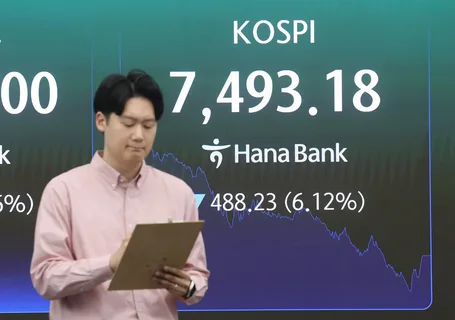
Crash in Asia: South Korean KOSPI Plummets Over 6%
The situation in the Asian region looks significantly worse. The main shock of the session was the South Korean KOSPI index, which plummeted more than 6%, while the Japanese Nikkei 225 lost about 2.5%. An exception was the Hong Kong Hang Seng, which managed to rise by 1.7% amid positive news surrounding Alibaba's developments in artificial intelligence.
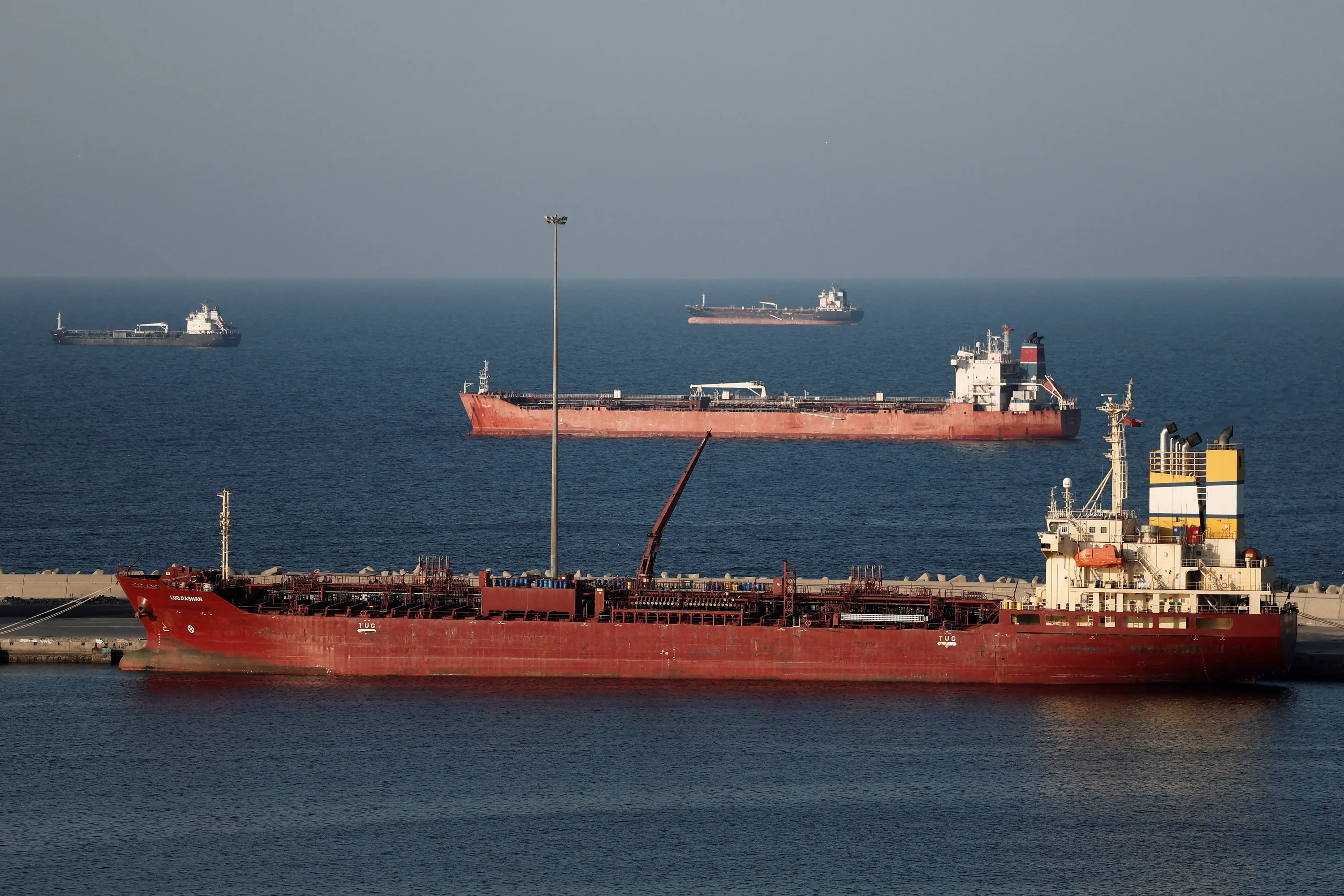
Escalation in the Strait of Hormuz Pushes Brent to $86.7
Oil: The key driver of the trading day is the sharp escalation of the conflict between the US and Iran in the Strait of Hormuz. The price of Brent oil has risen to the range of $84.5–86.7 per barrel. Market participants are actively pricing in the risks of possible supply disruptions from the Persian Gulf.
Gold: The precious metal shows the opposite dynamics, correcting to $4,033 per ounce (-0.7%). Part of the global capital is flowing into US government bonds amid a general decline in inflation expectations.

DXY Index Decline and Rate Hikes in the Asia-Pacific Region
US: Fresh inflation data in the States turned out to be softer than preliminary forecasts. The DXY dollar index fell to 100.48, and the yield on 10-year government bonds (US10Y) stabilized in the range of 4.55–4.57%. Investors are reducing the likelihood of aggressive moves from the Fed in the coming months.
Asian Central Banks: Against this backdrop, the Bank of Korea raised its key rate to 2.75%. At the same time, expectations for further tightening of monetary parameters by the Bank of Japan are increasing in the market.
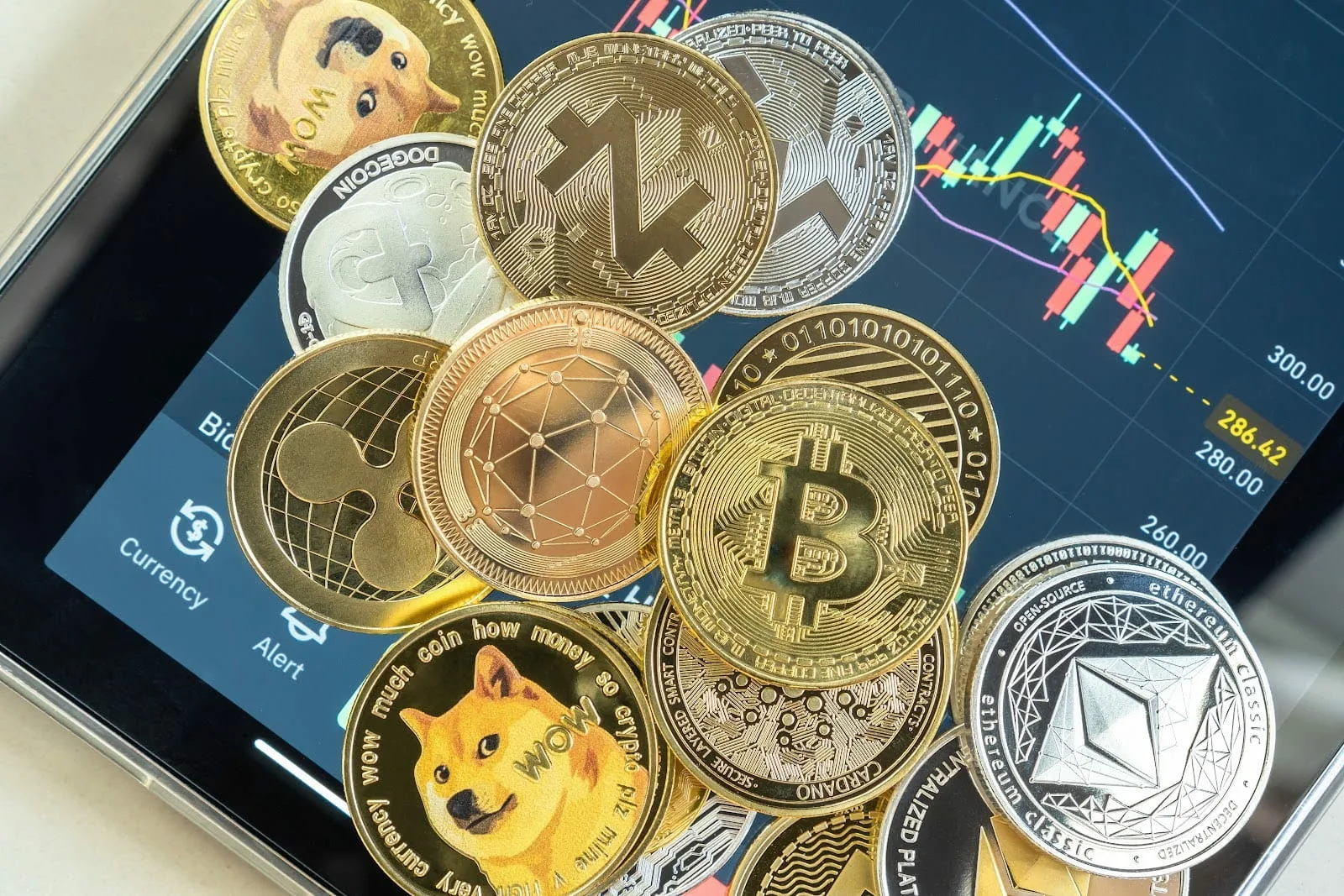
Stable Bitcoin and a Wave of Mega Deals in the M&A Market
Crypto Market: Digital assets are trading without sharp fluctuations. Bitcoin confidently holds around $65,000, while Ethereum shows locally stronger and upward dynamics.
M&A Market: High activity has been recorded in the corporate segment. Payment giant PayPal received an official acquisition offer for $53 billion, while Uber is simultaneously considering a strategic acquisition of Delivery Hero.
Key Events of the Day (Astana Time, GMT+5):
| Region | Statistics / Event |
|---|---|
| US (15:30) | Retail Sales; Initial Jobless Claims; Philadelphia Fed Manufacturing Index |
| Eurozone | Publication of Balance of Payments Data for May |
| Commodities | Official EIA Report on Weekly Natural Gas Inventories in the US |
Main Risks:
| — | Further escalation of the US-Iran conflict and blockage of the Strait of Hormuz. |
| — | Sharp change in market expectations regarding the US Fed interest rate. |
| — | Ongoing slowdown in China's macroeconomic indicators. |
| — | High level of volatility in the technology segment of Asian markets. |
Conclusion: The main theme of the day is the confrontation between the positive effects of slowing inflation in the US and geopolitical risks in the Middle East. While strong earnings support the American market, oil remains the main indicator of tension, and investors are closely monitoring US macro statistics and the situation in the Strait of Hormuz.