
Global Markets July 14: Energy Risks Outweigh AI Sector, US Treasuries Yield Rises to 4.62% Ahead of Kevin Warsh's Speech
Global markets have entered a new trading session amid heightened uncertainty. Investors are simultaneously assessing the risks of further escalation of the conflict between the US and Iran, inflation growth prospects, and the start of the corporate earnings season.
Global markets have entered a new trading session amid heightened uncertainty. Investors are simultaneously assessing the risks of further escalation of the conflict between the US and Iran, inflation growth prospects, and the start of the corporate earnings season in the US. The main factor of the day remains the situation around the Strait of Hormuz, which is already having a significant impact on commodity markets and inflation expectations worldwide.
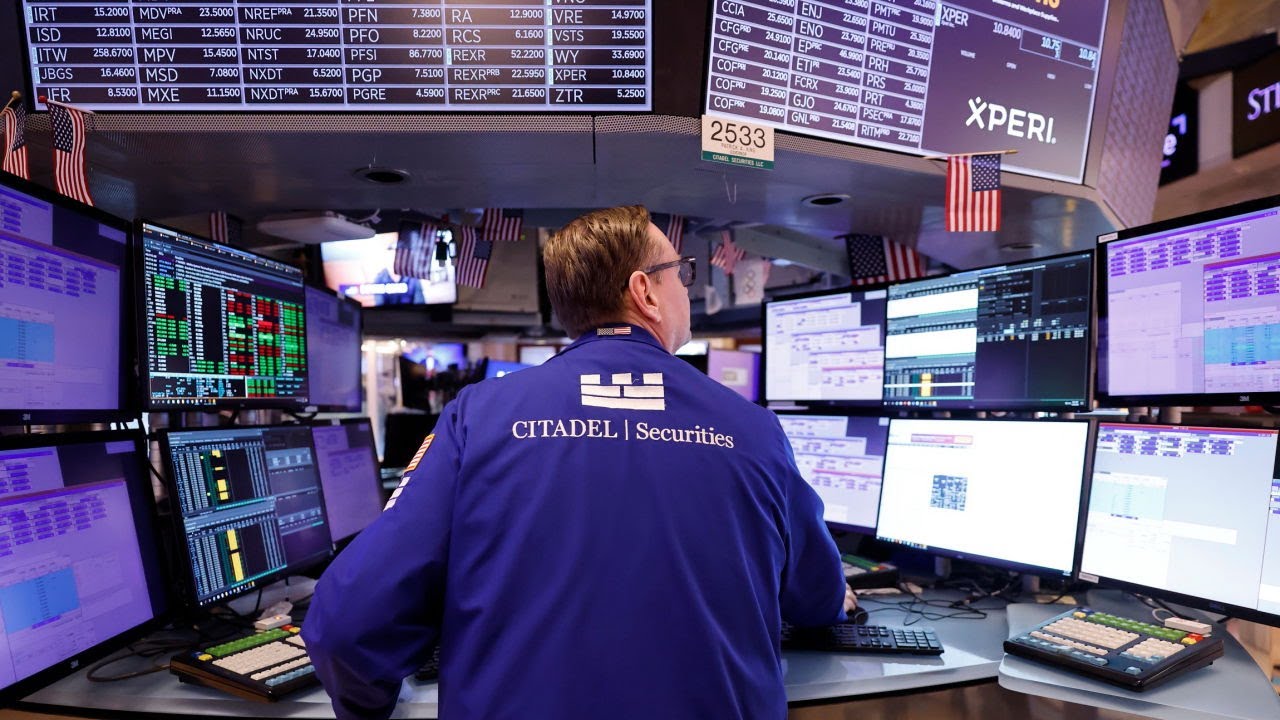
Cautious Position in the US and Pressure from Energy Risks in Europe
US: American investors have taken a cautious position ahead of the release of critically important inflation data (CPI) and the scheduled speech by Fed Chair Kevin Warsh. Futures show weak positive dynamics: the S&P 500 futures are up 0.2%, Nasdaq 100 is up 0.4%, and Dow Jones is up 0.1%. The previous day, indices closed in the red (Nasdaq Composite lost 1.55%, S&P 500 fell by 0.79%). The technology and semiconductor sectors are under pressure, while energy companies are rising along with oil prices.
Europe: European markets are declining due to rising energy threats. The DAX index is down 0.4%, and the British FTSE 100 is down 0.9%. The main risk factor for the region remains the risk of imported inflation, provoked by the rapid rise in oil and gas prices.
Mixed Dynamics in Asia: Chinese Exports Rose by 27%
Asian markets finished the trading session without a unified trend. The South Korean market remains highly volatile after recent crashes, while the Japanese Nikkei 225 showed a moderate decline. Against this backdrop, Chinese stocks demonstrated a strong rebound thanks to robust macroeconomic data. China's exports soared by 27% year-on-year, supporting the shares of national exporters.
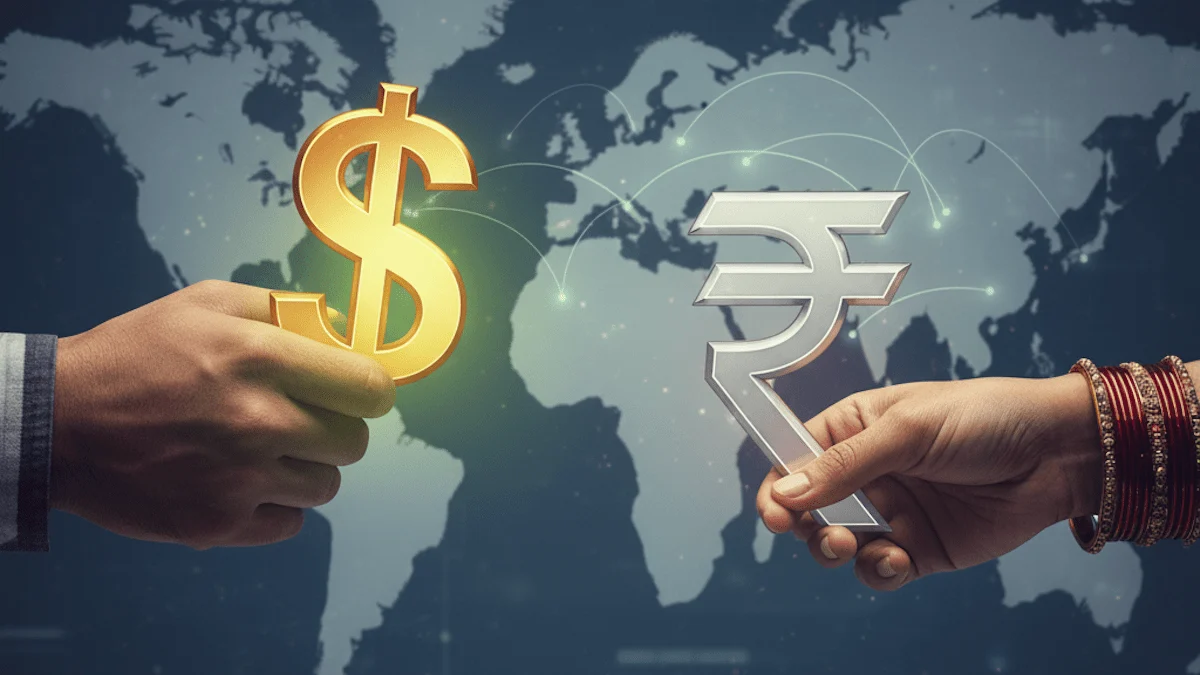
Rise in US Treasury Yields and Historic Low for the Rupee
Debt Market: The yield on 10-year US Treasuries rose to 4.62%. Investors are actively revising expectations for the trajectory of interest rates. There are growing concerns in the market that if high consumer inflation figures are confirmed, the Federal Reserve may opt for another rate hike at the upcoming meeting on July 28-29.
Currency Market: The dollar index (DXY) remains near local highs as investors move into safe-haven assets. One of the main underperformers of the day has been the Indian rupee: the USD/INR pair has reached a historic high. The main pressure on the Indian currency has come from the rising cost of imported oil.
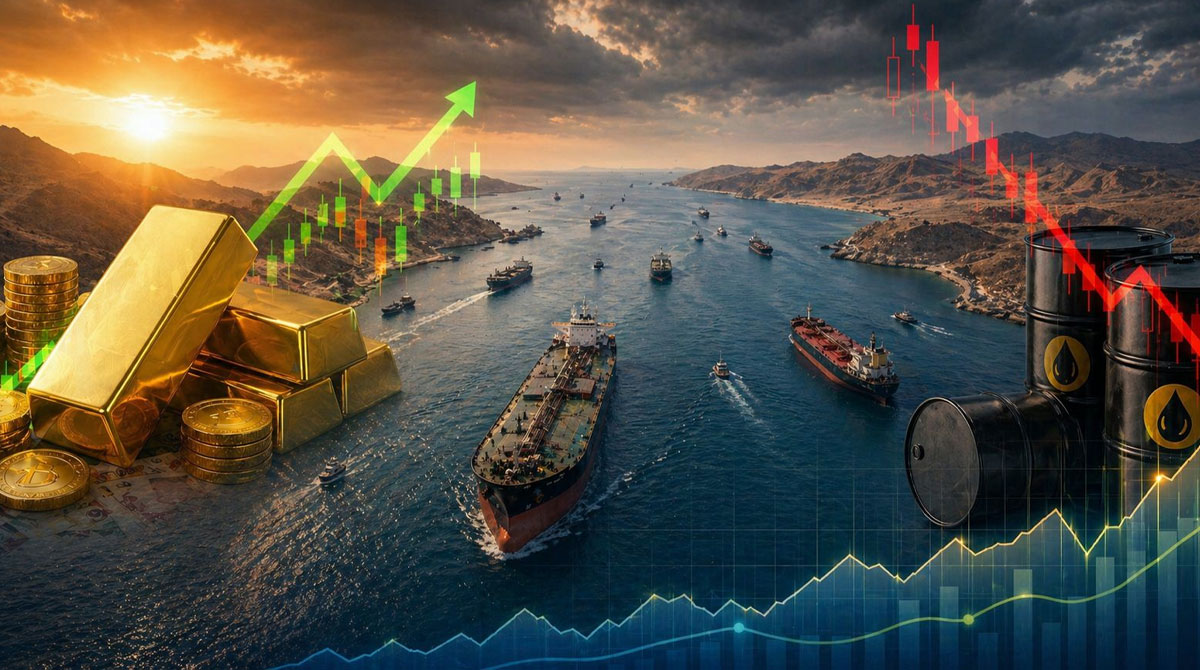
Oil Accelerates Growth on Trump's Statements, Gold Stable Above $4000
Commodities: Oil is the main driver of market movements. Following Donald Trump's statements about plans to restore the maritime blockade of Iran and impose tariffs on cargoes through the Strait of Hormuz, prices accelerated their growth after yesterday's surge of more than 9%. Brent is trading in the $84–85 range, while WTI has reached $79–80 per barrel. Analysts suggest a scenario where prices could soar to $150–200 if both the Strait of Hormuz and Bab-el-Mandeb are simultaneously blocked. Gold maintains defensive positions at $4015 per ounce.
Cryptocurrencies: Bitcoin shows resilience amid market turbulence, holding above key price levels. An additional support factor has been a recorded capital inflow of approximately $197 million into American spot BTC ETFs.
Start of the Earnings Season in the US for Q2:
Today marks the effective start of the corporate earnings season for the second quarter. Leading financial institutions in the US are presenting their results:
| JPMorgan Chase | Bank of America |
| Wells Fargo | Citigroup |
| Goldman Sachs | |
Key points of attention: comments from top management regarding stagflation risks, the direct impact of the conflict in the Middle East, and the prospects for the American economy in the second half of the year.
Key Events of the Day (Astana Time, GMT+5):
| Time / Region | Event |
|---|---|
| 15:45 United Kingdom |
Speech by Bank of England Governor Andrew Bailey |
| 18:30 USA |
Release of the Consumer Price Index (CPI) for June |
| 20:00 USA |
Speech by Federal Reserve Chair Kevin Warsh |
| 20:00 Eurozone |
Speech by European Central Bank President Christine Lagarde |
| Late Evening Energy |
Release of the weekly API report on crude oil inventories in the US |
Key Risks for Investors:
| — | Escalation of the conflict between the US and Iran. |
| — | Possible restrictions on shipping through the Strait of Hormuz. |
| — | A new wave of global inflation. |
| — | Tighter Fed policy. |
| — | Slowdown in the global economy amid expensive energy resources. |
| — | Increased volatility in the technology sector. |
Conclusion: The trading day on July 14 is marked by pronounced energy risk. The sharp rise in oil prices is once again becoming a key driver of global markets, temporarily pushing the narrative of artificial intelligence and the tech rally to the background. Market participants are focused on two events: the release of the Consumer Price Index in the US (CPI) and the subsequent speech by Fed Chair Kevin Warsh. Their outcomes will determine further expectations for the regulator's monetary policy and set the medium-term direction of capital movement.