
AI Under Scrutiny: Global Investors Exit Tech Giants, Oil Prices Drop, and Banks Await New Fed Rate Hikes
Global financial markets on June 24, 2026, are in a phase of heightened caution. Investors continue to reduce positions in the tech sector after months of rallying, reassessing the prospects of artificial intelligence.
Global financial markets on June 24, 2026 are in a phase of heightened caution. Investors continue to reduce positions in the tech sector after months of rallying, reassessing the prospects of artificial intelligence, the further actions of the U.S. Federal Reserve, and the impact of geopolitical changes on commodity markets. Against the backdrop of a correction in high-tech stocks, the dollar remains strong, while the oil market is under pressure following a decrease in tensions between the U.S. and Iran.

🇺🇸 USA: Pressure on the Tech Sector Intensifies
American indices ended the previous session with a decline. The main reason was profit-taking in the stocks of the largest tech companies and semiconductor manufacturers. Nvidia, Micron Technology, and several companies involved in AI infrastructure development faced pressure. Investors are increasingly evaluating not only the prospects of AI but also the actual costs companies incur for developing computing power and data centers.
Additional pressure on sentiment comes from weak manufacturing activity statistics from the Richmond Fed, which dropped to 4 points against the expected 8.
🎯 Today's Focus (Kazakhstan time):
• New home sales for May — 00:00 (June 25);
• EIA oil inventory data — 00:30 (June 25);
• Fed bank stress test results — 06:00 (June 25).

🇪🇺 Europe: Attention to Germany's Economy
European markets continue to trade without a clear direction. Investors are assessing weak industrial production rates, risks of slowing Eurozone economies, and the impact of U.S. tariffs on exports.
The main event of the day will be the release of the IFO business climate index in Germany at 14:00 Kazakhstan time. The state of the largest economy in Europe remains an important indicator for the entire region.

🇯🇵 🇰🇷 Asia: Attempt to Recover After Sell-off
Asian markets are trying to recover after a massive correction in the tech sector. South Korean companies Samsung Electronics and SK Hynix remain under pressure after sharp declines in stock prices earlier in the week. The Japanese Nikkei shows a moderate rebound, but investors remain cautious amid a global decline in interest in semiconductor manufacturers' stocks. Chinese markets show more restrained dynamics, but investors continue to closely monitor the situation in the real estate market and domestic investment activity.
🛢️ Commodity Market: Oil Prices Continue to Drop
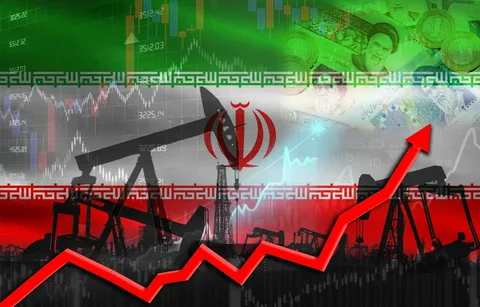
The oil market remains under pressure following agreements between the U.S. and Iran. The market continues to factor in the prospects of increased oil supply after a partial easing of restrictions on Iranian crude exports. The decline in oil prices alleviates inflationary pressure but creates risks for countries and companies dependent on commodity exports.
📊 Currently:
• Brent is trading around $77 per barrel;
• WTI is around $73–74 per barrel.
🌍 Macroeconomic Background: Fed's Tough Rhetoric and Bank Forecasts
The Federal Reserve maintains a cautious but tough rhetoric. Despite keeping the rate unchanged, some FOMC members allow for additional hikes by the end of the year. Major investment banks are also revising forecasts, which supports the dollar and limits the growth potential of risky assets:
🔹 BofA: expects up to three rate hikes by the end of 2026;
🔹 Deutsche Bank: forecasts two hikes.
⚠️ Key Risks of the Day:
- 📌 further correction in the tech sector;
- 📌 slowdown in business activity in the U.S. and Europe;
- 📌 high likelihood of maintaining the Fed's tight policy;
- 📌 decline in oil prices;
- 📌 increased demand for the dollar as a safe-haven asset.
⚡ Summary: On June 24, global markets remain influenced by several factors: corrections in the AI sector, expectations of further Fed actions, and the ongoing decline in oil prices. Investors are gradually shifting to a more conservative behavior model, and the main question in the coming weeks will be the sustainability of global economic growth amid high interest rates and slowing industrial activity.