
Markets on September 2: Brent at $96, US Treasuries Yield Nears 5%, Asia Drops up to 4%
On September 2, 2026, global markets shift into active risk-off mode. A new series of US strikes on Iran and Tehran's retaliatory attacks pushed oil to a five-week high, intensified the global bond sell-off, and sent
On September 2, 2026, global markets shift into active risk-off mode. A new series of US strikes on Iran and Tehran's retaliatory attacks pushed oil to a five-week high, intensified the global bond sell-off, and sent stock indices lower. Brent approaches $96 per barrel, the yield on 10-year US Treasuries exceeded 4.81%, Asian indices lost up to 4%, and gold fell to a more than three-week low. The main concern for investors is that geopolitical tensions are now fueling inflation expectations, causing the market to fear further rate hikes by central banks.
USA: September Begins with a Sell-Off
Session summary for September 1: American indices ended the day with significant declines. The energy sector was the only one among the 11 S&P 500 sectors to close in the green. The greatest pressure was on IT and consumer sectors: the chipmakers index fell 2.1%, and the Dow Jones Transportation Index dropped 2.5%. On the exchange, the number of declining stocks was nearly three times the number of advancing ones.
Economy and the Fed: The ISM manufacturing index fell to 54.6 points, but the price component remained high at 71.1 due to rising costs of metals, fuel, and semiconductors. Against stable JOLTS job openings data (7.271 million), the probability of a 25 bps Fed rate hike in September rose to 67–68%.
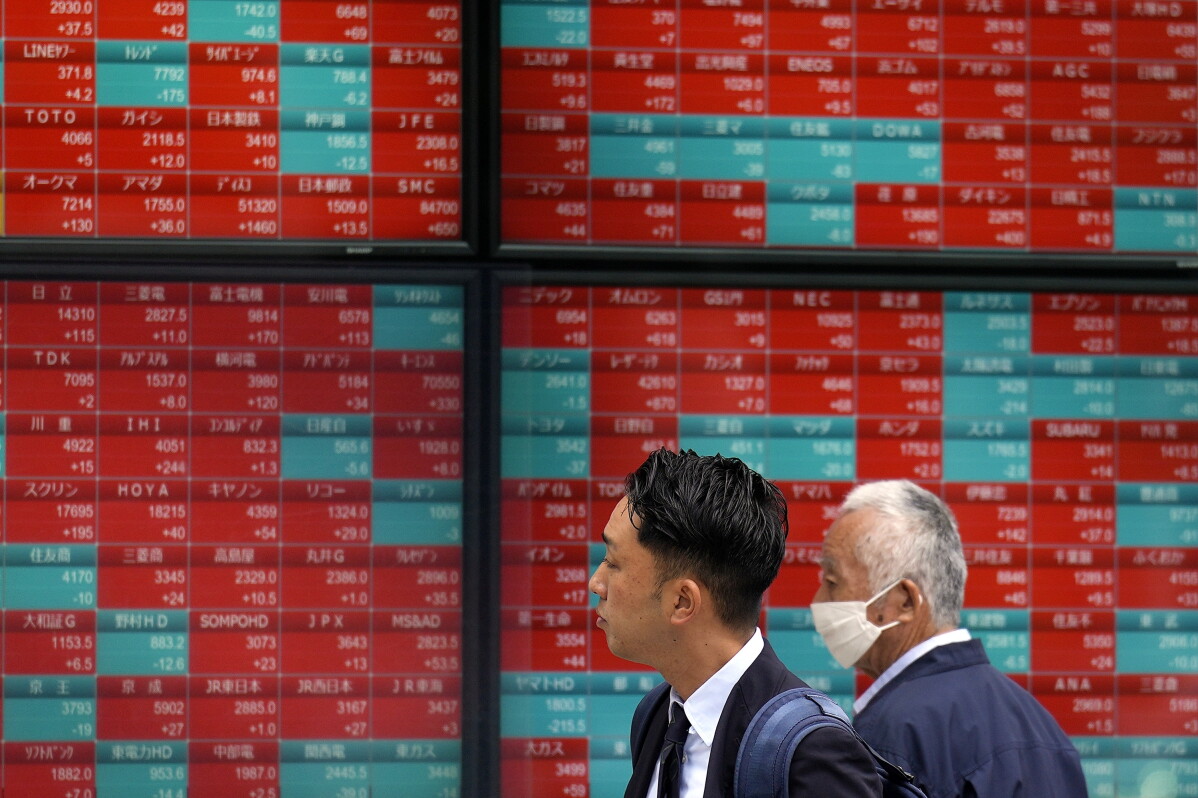
Europe and Asia: Inflation Accelerates and Indices Fall
Europe: Inflation in the Eurozone accelerated from 2.9% to 3.3% due to a surge in energy prices. The market is pricing in a deposit rate hike by the ECB to 2.5% at the September 10 meeting. Airline Ryanair cut its flight plans due to kerosene prices rising to $140 per barrel.
Asia: Regional markets were hit by a wave of selling: South Korea's KOSPI plunged nearly 4%, Nikkei 225 lost 2.9%, MSCI Asia-Pacific dropped 2%. Rising oil prices worsen the trade balance of import-dependent countries (Japan, India) and weaken their national currencies.

Oil: Brent Approaches $96 per Barrel
Geopolitics: Prices have risen for the third consecutive session following US strikes on Iranian military targets and Tehran's retaliatory missile attacks. The IRGC warned of possible shipping restrictions in the Strait of Hormuz.
Stocks and targets: A reduction of US crude oil inventories by 2.6 million barrels provides additional support to prices. The next psychological target for the market is $100 per barrel.
Bonds, Gold, Currencies, and Cryptocurrencies
Debt market and the dollar: The bond sell-off intensified: the yield on 10-year US Treasuries rose to 4.812% (the highest since November 2023), approaching the 5% mark. The dollar index DXY increased to 99.79.
Safe-haven assets and BTC: Gold dropped to $1,303 per ounce due to pressure from high yields. Bitcoin holds the $77,485 level, but the rising dollar and interest rates limit attempts to recover above $79,000.
Upcoming Key Events:
After today's ADP data, investors await the official Nonfarm Payrolls report on Friday, September 4 (17:30 ALMT). A gain of about 56,000 jobs is expected.
| Time / Date | Event |
|---|---|
| September 2 | US ADP Private Sector Employment Report |
| September 10 | ECB Interest Rate Meeting |
| 17:30 ALMT (Sep 4) | Official US Employment Report (Nonfarm Payrolls) |
Summary: Markets are facing a classic inflation shock. A break of Brent above $100 per barrel or a sustained 10-year US Treasury yield above 5% could trigger a new wave of growth stock sell-offs and capital flows into the dollar and short-term safe-haven instruments.